

Top 10 Common Oven Problems and How to Fix Them
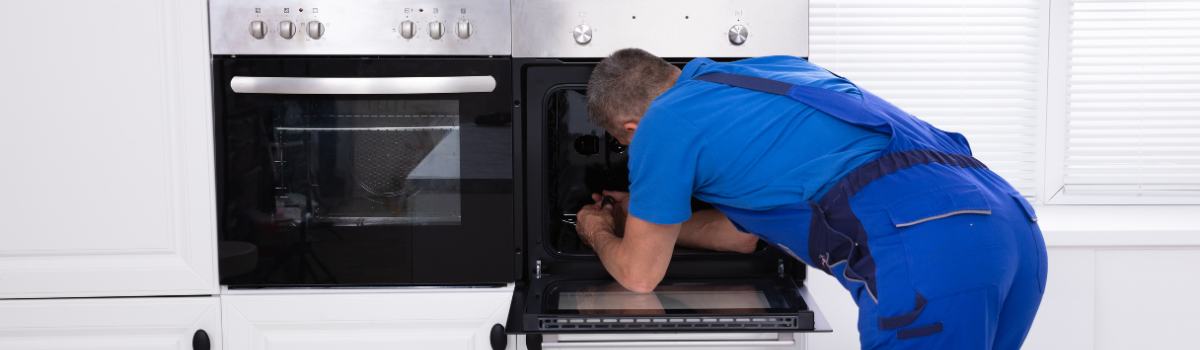
Keeping Your Oven in Top Shape: Common Problems and Easy Fixes
A working oven is a must-have in any kitchen. It helps you cook family dinners, bake desserts, and easily prepare snacks. But it can be frustrating when your oven stops working as it should. Luckily, most oven problems are pretty simple to fix with oven repair. This guide will explain the ten most common oven problems, what causes them, and how you can fix them without too much trouble. Let’s get started!
Oven Doesn’t Heat Up
What’s happening
You set your oven to heat, but it stays cold.
Why it happens
The igniter might be broken in gas ovens, and the heating element could be damaged or burnt out in electric ovens.
How to fix it:
- Look at the heating element (the part that glows red when it’s on). If it’s cracked or discoloured, it probably needs replacing.
- Check if the igniter glows or clicks when you turn it on in gas ovens. Suppose it doesn’t replace it.
- Always unplug the oven or turn off the gas before starting any repair.
- Check your oven’s manual for detailed instructions.
Fixing this issue will cause your oven to heat up again quickly.
Oven Doesn’t Heat to the Right Temperature
What’s happening
Your food comes out undercooked or overcooked, even though you followed the recipe exactly.
Why it happens
The thermostat or temperature sensor could be broken. Sometimes, the oven just needs recalibrating.
How to fix it:
- A multimeter is used to test the temperature sensor. If it’s not working, replace it.
- Recalibrate your oven by following the steps in your manual.
- Put an oven thermometer inside to check if the temperature matches your set. If it’s off, you might need to replace the thermostat.
Fixing temperature issues can make your cooking more reliable and less stressful.
Uneven Cooking Results
What’s happening
Some parts of your food are overcooked while others are still raw.
Why it happens
This usually happens because the convection fan is broken, the heating elements are damaged, or the oven racks aren’t placed correctly.
How to fix it:
- Check the convection fan to see if it’s blocked or broken. Clean it and make sure it spins properly. Replace it if needed.
- Inspect the heating elements for signs of wear or damage. If one element isn’t working, it’s time for a replacement.
- Ensure the racks are in the right position to allow air to circulate evenly around your food.
These adjustments will help you get perfectly cooked meals every time.
Gas Burner Won’t Ignite
What’s happening
You hear clicking, but the gas burner doesn’t light, or there’s no sound.
Why it happens
The burner ports might be clogged, the igniter could be broken, or there’s a problem with the gas supply.
How to fix it:
- Clean the burner ports with a brush to clear away grease or debris.
- Check if the igniter sparks when you try to light the burner. If it doesn’t, replace it.
- Ensure the gas supply valve is open without leaks or blockages.
This quick fix will have your gas burner working like new.
Electric Burner Won’t Heat
What’s happening
The burner on your electric stove stays cool no matter what you do.
Why it happens
The burner element could be burnt out, the socket might be faulty, or the electrical connections could be loose.
How to fix it:
- Check the burner element for cracks or burns. Replace it if it’s damaged.
- Test the socket with a multimeter to see if it’s working. If not, replace it.
- Make sure all connections are tight and free from corrosion.
Fixing this issue will make cooking on your stove quick and easy again.
The Oven Door Won’t Close or Seal Properly
What’s happening
The oven door won’t stay closed, or the heat escapes while you’re cooking.
Why it happens
The hinges, springs, or gasket (the rubber seal around the door) might be worn out or broken.
How to fix it:
- Inspect the hinges for damage. Replace them if they’re bent or broken.
- Check the springs for wear and replace them if needed.
- Look at the gasket. If it’s cracked or brittle, replace it to create a proper seal.
A properly closing door helps your oven cook more efficiently and safely.
Interior Oven Light Doesn’t Work
What’s happening
The oven light stays off, making it hard to see your food while it cooks.
Why it happens
The bulb might be burnt out, or the light socket could be faulty.
How to fix it:
- Replace the bulb with one that matches your oven’s specifications.
- Test the light socket with a multimeter. If it’s not working, replace it.
A working oven light makes it easier to monitor your food without opening the door.
Self-Cleaning Cycle Not Working
What’s happening
The self-cleaning function won’t start or gets stuck halfway through.
Why it happens
The control board, temperature sensor, or door lock might not work correctly.
How to fix it:
- Turn the power off for a few minutes to reset the control board.
- Check the door lock. If it’s broken, replace it.
- Test the temperature sensor and replace it if it’s malfunctioning.
Fixing the self-cleaning feature keeps your oven cleaner with less effort.
Strange Noises During Operation
What’s happening
You hear clicking, buzzing, or whirring noises while the oven runs.
Why it happens
Loose screws, a faulty fan, or worn-out motors are usually the cause.
How to fix it:
- Tighten any loose screws or parts.
- Check the fan and motor for damage. Replace them if needed.
- Use your oven manual to find out if moving parts need lubrication.
Fixing these noises ensures your oven runs smoothly and prevents further damage.
Preventive Maintenance Tips
To keep your oven in good shape, follow these tips:
- Clean the burners and heating elements regularly to avoid buildup.
- Check the door seal and replace it if it’s worn out.
- Use an oven thermometer to make sure the temperature is accurate.
- Don’t overload the oven; it can lead to uneven cooking or strain the components.
Regular maintenance will make your oven last longer and work better.
FAQs
How do I know if my oven needs professional repair?
If your oven has persistent issues, shows error codes, or has electrical problems you can’t fix, it’s time to call a professional.
Is it safe to replace an igniter myself?
Yes, as long as you unplug the oven or turn off the gas before you start. Always follow safety instructions.
Conclusion
Oven problems can be annoying, but most issues are easy to fix if you know what to do. By using these tips and keeping up with regular maintenance, you can ensure your oven stays in great shape for years. If you can’t fix the problem, don’t hesitate to call a professional. A well-maintained oven will keep your kitchen running smoothly and your meals tasting great.

LET’S CONNECT
(905) 412-2777
service@electrafixgta.ca
OPEN HOURS
Mon-Fri: 9AM-9PM
Saturday: 10AM-9PM
Sunday: 10AM-9PM
QUICK LINKS:
LET’S CONNECT
(905) 412-2777
service@electrafixgta.ca
OPEN HOURS
Mon-Fri: 11AM-9PM
Saturday: 10AM-9PM
Sunday: 10AM-9PM
QUICK LINKS:
© 2025 ElectraFix GTA Appliance Repair All Rights Reserved | Privacy Policy | Sitemap