

The Refrigerator is Making Loud Noise
Common Causes of Refrigerator Noise
When your refrigerator starts making loud noises, it’s often a sign that something needs attention. Understanding the common causes of these noises can help you diagnose the problem effectively.
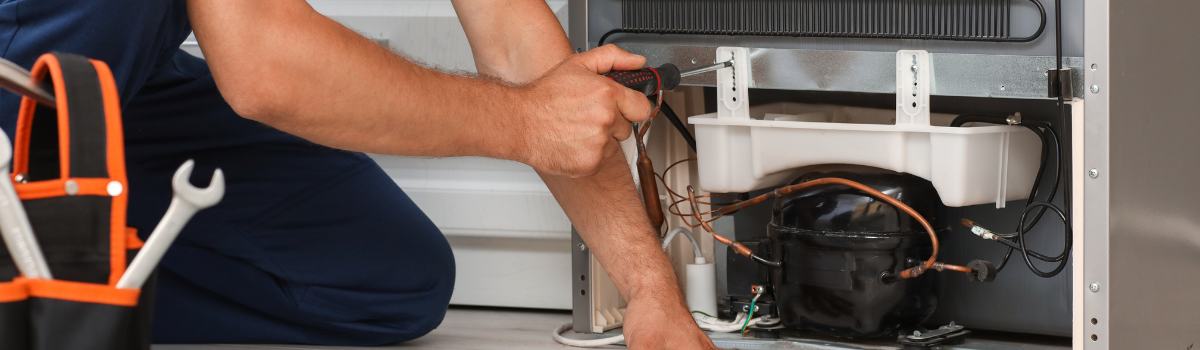
Evaporator Fan Issues
The evaporator fan is one of the most common causes of a noisy refrigerator. This essential component is located in the freezer compartment and circulates air over the refrigerator coils to help maintain the proper temperature throughout the unit. When this fan starts to malfunction, it can produce a range of noises that signal the need for attention.
For instance, if you hear a high-pitched whirring or a loud, persistent hum from the freezer section, it’s likely the evaporator fan. This noise often indicates that the fan blades are either obstructed by ice buildup or have become unbalanced due to wear and tear. In some cases, the fan motor may fail, which can cause the fan to operate noisily. Start by manually defrosting the freezer to see if the noise diminishes, which suggests ice accumulation is the problem.
Practical tip: Unplug your refrigerator and locate the evaporator fan by accessing the freezer’s back panel. Carefully inspect the fan blades for ice or debris and clean them if necessary. If the fan blades seem intact, consider replacing the evaporator fan motor if the noise persists. This is a relatively straightforward repair for those comfortable with appliance maintenance, but if you’re unsure, contacting a professional technician can ensure the job is done correctly and safely.
Condenser Fan Problems
Another primary source of noise in a refrigerator is the condenser fan. This fan is typically located behind an access panel at the back or bottom of your appliance. Cooling the condenser coils and ensuring the compressor operates efficiently are crucial. When the condenser fan encounters issues, it can produce a range of disruptive sounds that indicate it needs attention.
For example, if you hear a rattling or buzzing noise coming from the back of your refrigerator, it’s likely caused by the condenser fan. Unplug your refrigerator and carefully remove the access panel to locate the condenser fan. Inspect the fan for visible dirt or obstructions. Additionally, check for wear on the fan blades and bearings; replacing the fan may be necessary if they appear damaged.
Practical tip: Ensure the area around your refrigerator is free from dust and debris. A clean environment can prevent many common fan-related issues. Regularly vacuuming the coils and the fan area will reduce noise and improve your refrigerator’s efficiency.
Compressor Noise
A common source of refrigerator noise is the compressor, the heart of your appliance’s cooling system. The compressor circulates refrigerant throughout the refrigerator, enabling it to maintain the desired temperature. When the compressor starts making noise, it’s often a sign that something needs attention.
For instance, a refrigerator with a noisy compressor might produce a loud humming or buzzing sound. To address this, clean the condenser coils at the back or beneath the fridge. Use a vacuum or a brush to remove any dust and debris. If the noise persists, it might be due to the compressor, which could suffer from internal wear and tear.
Practical tip: If you suspect the compressor is the issue, it’s best to contact a professional technician. Compressors are complex and require specialized tools and knowledge to repair or replace. While a noisy compressor can continue to function, ignoring it may lead to more significant problems and higher repair costs down the line.
Defrost Timer Malfunction
A defrost timer malfunction is a frequent source of unusual refrigerator noise. The defrost timer controls the defrost cycle in your refrigerator, turning it on at set intervals to melt away any frost buildup on the evaporator coils. When this component fails, it can produce distinct noises that are hard to ignore.
For example, a faulty defrost timer might generate a ticking or clicking sound, especially if it’s trying to engage the defrost cycle but fails to do so correctly. This noise can often be heard intermittently, typically once or twice a day. To determine if the defrost timer is the issue, locate it in your refrigerator—usually behind the kick plate or inside the control box. Listen closely to see if the noise coincides with the defrost cycle times.
Practical tip: If you identify the defrost timer as the noise source, consider replacing it. Unplug the refrigerator, access the timer, and check for any visible signs of damage. Replacing a defrost timer can be a straightforward task for those with some DIY experience, but if you’re unsure, seeking help from a professional technician can ensure it’s done correctly. Regularly inspecting and maintaining the defrost system can prevent such malfunctions, helping your refrigerator run smoothly and quietly.
Damper Control Assembly Issues
A refrigerator noise that often goes unnoticed is a faulty damper control assembly. The damper control assembly regulates the airflow between the freezer and the refrigerator compartments, ensuring the proper temperatures are maintained in both sections. When this assembly starts to fail, it can create unusual noises that disrupt the quiet operation of your appliance.
For example, if you hear a repetitive clicking or knocking sound, it could be due to the damper control door struggling to open or close. This noise occurs because the motor or the gears within the damper assembly are worn out or obstructed. To diagnose this issue, you can locate the damper control assembly, typically located behind a vent or panel within the refrigerator compartment. Check for any visible blockages or damage to the damper door and the surrounding components.
Practical tip: If you discover that the damper control assembly is indeed the source of the noise, you may need to replace it. Start by unplugging your refrigerator to ensure safety, then carefully remove any panels or covers to access the damper. Inspect the damper door and motor for signs of wear and tear. Contact the manufacturer if replacement parts are needed. While replacing the damper control assembly can be challenging, following detailed instructions and taking time can help you resolve the issue effectively.
Ice Maker and Water Inlet Valve Noises
One frequent source of refrigerator noise is the ice maker and its associated water inlet valve. For instance, if you hear a loud banging or knocking noise coming from the back of your refrigerator, it’s likely caused by the water inlet valve. This valve controls the water flow to the ice maker and dispenser. When the solenoid in the valve becomes faulty, it may struggle to open or close properly, resulting in noticeable sounds. Start by checking the water pressure in your home, as low or high pressure can affect the valve’s operation.
Practical tip: If your refrigerator’s ice maker produces a humming or buzzing noise, it could be due to the ice maker motor or a jammed ice maker mechanism. Start by unplugging your refrigerator and inspecting the ice maker for any visible obstructions, such as ice jams. Clear any blockages and ensure the ice maker components move freely. The motor or other internal components might need replacement if the noise persists. Refer to your refrigerator’s manual for specific instructions, or consult a technician to ensure the repair is done correctly.
Fridge’s Leveling Problem
One often overlooked cause of refrigerator noise is improper leveling. If your refrigerator is not sitting evenly on the floor, it can lead to unsettling noises that disrupt your kitchen environment. Ensuring that your appliance is level can significantly reduce or eliminate these noises.
For example, if you notice a persistent rattling or vibrating noise, it might be due to one of the refrigerator’s corners not making firm contact with the floor. This can cause the fridge to wobble slightly, especially when the compressor cycles on and off. To address this, remove the base grille from the bottom of your refrigerator. Most refrigerators come with adjustable leveling screws or feet. Using a wrench or a screwdriver, adjust these screws until all four corners of the fridge are firmly in contact with the floor and the appliance is level from front to back and side to side.
Practical tip: Place a level tool on your refrigerator to check its balance. Adjust the leveling feet until the bubble in the level tool is centered. Additionally, ensure there are no items on top of the refrigerator that might be contributing to the noise by vibrating. You can maintain a quieter refrigerator and improve its overall performance by taking these steps. Proper leveling not only prevents noise but also ensures the doors seal correctly, enhancing the efficiency and longevity of your appliance.
Troubleshooting Steps for Refrigerator Noise Removal
Diagnosing and troubleshooting refrigerator noise involves systematically identifying and resolving the underlying issues. Here’s a concise guide to help you pinpoint and address common causes of refrigerator noise.
Identify the Noise Source
Start by listening closely to determine where the noise is coming from. Familiar noise sources include:
- Back of the Refrigerator: If the noise originates from the back, it might involve the condenser fan or compressor.
- Inside the Refrigerator: Noises from inside often relate to the evaporator fan or the ice maker.
- Underneath the Refrigerator: Vibrations or rattling sounds may indicate issues with leveling or components at the base.
Inspect Key Components
Once you have identified the general location of the noise, inspect the relevant components.
Condenser Fan and Compressor
- Steps:
- Unplug the refrigerator.
- Remove the back panel.
- Check the condenser fan for dirt, debris, or damage.
- Clean the fan blades and ensure they rotate freely.
- If the noise persists, inspect the compressor for signs of wear and tear.
- Practical Tip: Regularly cleaning the condenser coils and fan can prevent noise issues and enhance cooling efficiency.
Evaporator Fan and Ice Maker
- Steps:
- Open the freezer compartment.
- Listen for unusual sounds when the door is open and the fan is running.
- Inspect the evaporator fan for any obstruction or damage.
- Check the ice maker for ice jams or motor issues.
- Practical Tip: If the evaporator fan or ice maker motor is faulty, replacing these components can resolve the noise problem.
By understanding these common causes and following these practical tips, you can maintain a quieter refrigerator and prolong its lifespan. Regular maintenance and timely repairs not only reduce noise but also enhance the overall efficiency of your appliance.

LET’S CONNECT
(905) 412-2777
service@electrafixgta.ca
OPEN HOURS
Mon-Fri: 9AM-9PM
Saturday: 10AM-9PM
Sunday: 10AM-9PM
QUICK LINKS:
LET’S CONNECT
(905) 412-2777
service@electrafixgta.ca
OPEN HOURS
Mon-Fri: 11AM-9PM
Saturday: 10AM-9PM
Sunday: 10AM-9PM
QUICK LINKS:
© 2025 ElectraFix GTA Appliance Repair All Rights Reserved | Privacy Policy | Sitemap