

Quick Fixes for Common Washing Machine Problems
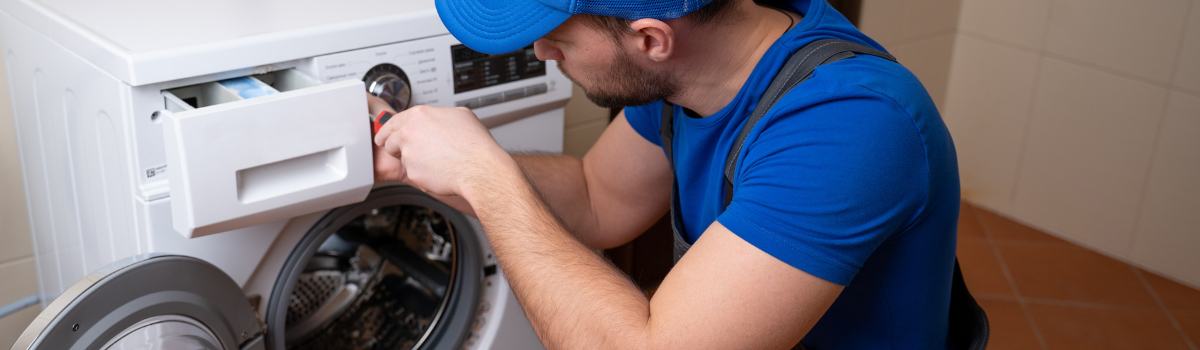
Keep Your Washer Running Smoothly: Easy Fixes for Everyday Problems
Washing machines make our lives easier by saving us time and effort, but it can feel like a huge inconvenience when they stop working. Leaks, spinning problems, or sudden stops can throw off your routine, but the good news is most washing machine problems have simple solutions you can handle on your own. Washing machine repair doesn’t always require a professional, and with a little know-how, you can address many common issues yourself. This guide will walk you through easy-to-follow fixes for common issues so you can keep your washer running smoothly and avoid unnecessary stress.
The Washing Machine Won’t Start
Why it Happens:
- The power supply might be off.
- The door switch could be broken.
- The control panel might have a glitch.
What to Do:
- Check the power: Ensure the washer is plugged in and the outlet works. If your circuit breaker has tripped, reset it.
- Inspect the door latch: If the door isn’t securely closed, the machine won’t start. Open and close the door firmly. If the latch is broken, you may need to replace it.
- Reset the control panel: Unplug the machine for a few minutes and then plug it back in. This can clear any minor errors.
The Washing Machine Is Leaking
Why it Happens:
- Loose or damaged hoses.
- The door seal is worn out.
- The drum has cracks.
What to Do:
- Check the hoses: Tighten any loose connections and replace hoses with cracks or bulges.
- Clean the door seal: Dirt and detergent can build up over time. Wipe it down with a damp cloth. If it’s damaged, replace it.
- Inspect the drum: Look for visible cracks. You might need to call a professional for repairs if you find any.
Tip: Use a drip pan under your washer temporarily to catch leaks.
The Washing Machine Isn’t Draining
Why it Happens:
- A clogged drain hose.
- The pump filter is blocked.
- The drain pipe is positioned wrong.
What to Do:
- Clear the drain hose: Disconnect it and check for clogs like lint or detergent buildup. Use a flexible brush to remove any debris.
- Clean the pump filter: Open the panel at the front of the washer, remove it, and clean it thoroughly.
- Reposition the drain pipe: Ensure it’s not pushed too far into the standpipe. It should sit loosely to allow smooth drainage.
The Washing Machine Won’t Spin
Why it Happens:
- Clothes are loaded unevenly.
- The drive belt is worn.
- The motor might be faulty.
What to Do:
- Balance the load: Rearrange the clothes in the drum evenly. Avoid overloading it.
- Check the drive belt: If it looks loose or worn out, replace it following the manufacturer’s instructions.
- Test the motor: Run an empty spin cycle. If the motor hums but the drum doesn’t move, you may need professional help.
Washing Machine Is Making Noise
Why it Happens:
- Foreign objects are in the drum.
- The drum components are loose.
- The bearings are worn out.
What to Do:
- Inspect the drum: Look for small items like coins or buttons that may have fallen out of pockets. Remove them to stop rattling sounds.
- Tighten loose parts: Check screws and bolts inside the machine. Tighten them to reduce noise.
- Call for help: If the noise comes from the back and sounds like grinding, the bearings may need replacing.
The Washing Machine Is Vibrating Excessively
Why it Happens:
- The washer isn’t level.
- The drum is overloaded.
- The shock absorbers are damaged.
What to Do:
- Level the washer: Adjust the feet so the machine sits evenly. Use a level to check.
- Lighten the load: Don’t overload the drum, especially with heavy items like blankets.
- Replace the shock absorbers: If worn or damaged, they must be replaced.
Washing Machine Has Foul Odors
Why it Happens:
- Mold and mildew are growing.
- Detergent residue is building up.
What to Do:
- Clean with vinegar or baking soda: Run an empty cycle with hot water and one cup to remove smells.
- Wipe it down: Dry the drum and door seal with a cloth after each use.
- Leave the door open: Let air circulate inside the machine to reduce moisture.
The Washing Machine Isn’t Cleaning Clothes Properly
Why it Happens:
- The drum is overloaded.
- The wrong detergent is being used.
- The detergent drawer is clogged.
What to Do:
- Don’t overload: Wash fewer items at a time so water and detergent can move freely.
- Use the right detergent: Choose high-efficiency (HE) detergent for front-loaders and measure it properly.
- Clean the detergent drawer: Remove it and rinse any buildup with warm, soapy water.
Washing Machine Stops Mid-Cycle
Why it Happens:
- Power interruptions.
- The lid switch is broken.
- The control board has errors.
What to Do:
- Check the power: Ensure the machine is plugged in and the power is stable.
- Test the lid switch: Open and close the lid to see if the machine resumes. If it doesn’t, replace the switch.
- Reset the control board: Unplug the washer for a few minutes, then plug it back in and restart.
Pro Tips for Washing Machine Maintenance
How to Keep Your Washer in Good Shape:
- Clean monthly: Run a hot water cycle with a washer cleaner or vinegar to prevent odours.
- Inspect hoses and seals: Look for cracks or wear and replace them if needed.
- Use the right detergent: Avoid using too much to prevent residue buildup.
- Don’t overload the drum: Stick to the recommended load size for your washer.
When to Call a Professional:
- If the motor, control board, or drum needs repair or replacement.
- For leaks or electrical problems that don’t improve with basic troubleshooting.
FAQs
How often should I clean my washing machine?
Clean it once a month to keep it fresh and free from buildup.
What if my washer still leaks after repairs?
Double-check the hose connections and seals. If the problem persists, call a technician.
Why is my washer shaking even when it’s level?
Worn-out shock absorbers or an unbalanced load could cause it. Check and fix these issues.
Conclusion
Taking care of your washing machine can save you money and time while ensuring smooth laundry days. By learning how to fix small problems and performing regular maintenance, you can keep your washer working like new for years. Don’t hesitate to call a professional technician if a problem seems too big or complicated.

LET’S CONNECT
(905) 412-2777
service@electrafixgta.ca
OPEN HOURS
Mon-Fri: 9AM-9PM
Saturday: 10AM-9PM
Sunday: 10AM-9PM
QUICK LINKS:
LET’S CONNECT
(905) 412-2777
service@electrafixgta.ca
OPEN HOURS
Mon-Fri: 11AM-9PM
Saturday: 10AM-9PM
Sunday: 10AM-9PM
QUICK LINKS:
© 2025 ElectraFix GTA Appliance Repair All Rights Reserved | Privacy Policy | Sitemap